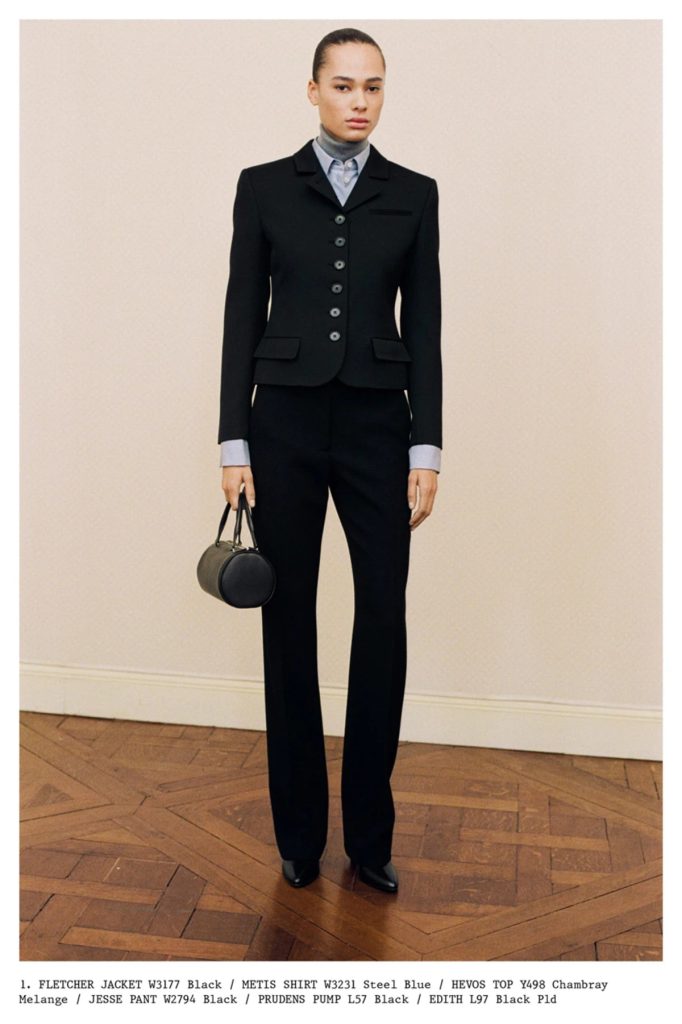
The Row’s Bag Collection Over the Years: Design Continuity Explained
Restraint is what has built The Row’s reputation. While the wider fashion world churns through new looks on a near-seasonal basis, this house has spent close to twenty years perfecting a limited set of forms rather than chasing every passing fad. Getting a handle on that outlook is the key to understanding why row handbags retain their worth, why specific designs come back collection after collection with only subtle refinements, and why shoppers searching for the row bag that suits them are often better served by examining craftsmanship than by following trend forecasts. This article walks through how design continuity really functions at The Row, what is updated between collections, and what stays deliberately the same.
What Shapes The Row’s Design Language
Mary-Kate and Ashley Olsen founded The Row in 2006 with an deliberate rejection of design led by passing trends. Their approach to the row fashion has always placed emphasis on fit, fine materials, and lasting value over seasonal statement pieces. This shows up most plainly in handbags, where a select few core shapes have anchored the line for years rather than being swapped out each season.
Its creative team operates within a tight collection of geometric principles: clean lines, minimal hardware, and silhouettes that reference midcentury modernism more than modern streetwear trends. A bag launched in 2015 might still be in production today with only subtle changes to strap length or interior pocketing. This is rare in an industry where the majority of brands update entire handbag lines twice a year.
That continuity has real advantages for shoppers. Bags tend to retain their resale worth because the shapes don’t look dated after a year or two. It also means that when a sale at The Row happens, past-season bags closely resemble current stock, which reduces the hesitation that usually arises from buying last season’s design elsewhere.
The Margaux: How Iteration, Not Reinvention, Defines It
Few bags demonstrate this approach as well as the Margaux does. Debuted in the mid-2010s, the Margaux tote has appeared in multiple sizes and leather finishes over the years, but its essential structure — an the row handbags leather top handle open-top tote with minimal exterior hardware and firm, structured panels—has remained essentially the same. Shoppers looking into where to buy The Row Margaux bag will find it offered in different sizes across seasons, but the silhouette itself is treated almost like a standing collection staple rather than a seasonal drop.
This approach is intentional. Rather than phasing out a proven bestselling shape and replacing it with something new to generate demand, The Row instead adjusts leather type, hardware finish, and proportions slightly. The result is a bag that feels familiar to long-time customers while still offering something new to discover each year.
Margaux stays one of the most requested styles thanks largely to this consistency. Shoppers generally know what’s in store: a dependable shape, styling that’s easy to pick up, and a look that will still feel current in three years.
Why Fabrics Evolve While Forms Remain Constant
Where The Row does allow visible seasonal change is in materials and colorways. Leather sourcing, tanning techniques, and hardware finishes shift year to year even when the base template of a bag remains unchanged. A given structured tote could be smooth calfskin in one season and pebbled or suede in another, while the dimensions and stitching pattern remain nearly identical.
This gives the brand room to respond to seasonal mood without disrupting the core row bags overview that regular customers have come to expect. The warmer months typically usher in softer, lighter leathers and understated neutral tones; cooler months tend to add richer tones and slightly weightier hides.
Hardware is another area of subtle variation. Buckles, clasps, and zip pulls occasionally move from a matte look to a shinier one, or from a silver tone to a warmer brass hue, based on the palette of that season. Such shifts are subtle enough that they seldom change how a bag is seen, but attentive shoppers browsing top row bags across several years will notice the pattern.
Comparing Core Silhouettes
To make sense of how continuity plays out across the range, it helps to look at a few of the brand’s most enduring shapes side by side. Below, the table lays out broad traits drawn from how these styles have appeared across recent collections — helpful background whether you’re buying for the first time or adding to a collection you already own.
Style of Bag
Main Purpose
Design Continuity
Common Seasonal Shift
Margaux Tote
Daily use, office wear
Very strong — form has stayed the same since it debuted
Leather texture, available sizes
Sofia Bag
Day-to-night wear with a structured form
Strong — the shape stays steady aside from small strap tweaks
Color palette, hardware tone
Ascot Bag
Small-scale everyday carry
High — dimensions are rarely adjusted
Texture and closure specifics
Wander Tote
Travel use, larger-capacity carry
Moderate — occasional dimension tweaks
Fabric vs. leather versions
What this comparison highlights is how steady each bag’s core purpose remains. A shopper looking for the best row bags for daily use will consistently be pointed toward the Margaux or Ascot rather than a rotating cast of new releases, because these two silhouettes have demonstrated lasting appeal over several years of production.
How This Shapes Purchase Strategy for 2026
For anyone shopping the collection this year, the practical implication of this design continuity is straightforward: buying an older-season row handbags piece secondhand or during a sale carries less risk than it would with a more trend-driven label. A Margaux from two seasons ago will still pair naturally with present-day wardrobe staples, given that the brand hasn’t pivoted to a starkly altered aesthetic in the meantime.
This also affects how to think about timing a purchase. For shoppers who already know a specific silhouette they want, waiting for a row sale can be sensible, because the silhouette itself is not likely to be dropped or replaced outright. The risk with waiting is availability of a specific leather or color, not the disappearance of the design itself.
Given how closely certain silhouettes are replicated by counterfeit sellers, official retailers and the label’s direct channels remain the most reliable route for shoppers figuring out where to buy The Row Margaux bag or other core styles. Examining construction details—stitching consistency, hardware weight, the inner lining—against known authentic examples is a prudent safeguard no matter where a purchase is made.
Reading the Line as a Whole
Looking at The Row’s handbag history as a whole, the trajectory is patient refinement, not a wholesale reimagining. Few labels at this price point have maintained such a focused focus on a handful of shapes for this long, and it’s a key reason the brand has developed a reputation distinct from more trend-reactive competitors. Shoppers who study the row bags overview across several years will notice the same handful of names recurring: Margaux, Sofia, Ascot, Wander.
Rather than a shortage of creativity, this reflects a different kind of creative discipline—one that centers on getting a shape right and then relies on it to stay relevant. For buyers, that translates into fewer regrets about a purchase looking dated, more predictable resale value, and an easier time building a wardrobe around a small number of well-chosen pieces rather than constantly replacing them. In an industry that routinely favors newness over substance, that consistency may well be the brand’s most distinctive design choice of all.
Questo sito e gli strumenti di terze parti in esso integrati trattano dati personali (es. dati di navigazione o indirizzi IP) e fanno uso di Cookie, Pixel, Tags o altri identificatori necessari per il funzionamento e per il raggiungimento delle finalità descritte nella cookie policy, tra cui il miglioramento delle funzionalità del sito e la pubblicità personalizzata. Cliccando sul pulsante Accetta Tutti dichiari di accettare l'utilizzo di queste tecnologie. In alternativa puoi personalizzare le tue scelte tramite l'apposito pulsante. Scopri di più e personalizza.
Vaše nastavitve privolitve
Naslednja plošča vam omogoča, da izrazite svoje želje glede soglasja za tehnologije sledenja, ki jih uporabljamo za ponujanje funkcionalnosti in izvajanje spodaj opisanih dejavnosti. Za dodatne informacije o uporabnosti in delovanju teh orodij za sledenje si oglejte politiko piškotkov. Svoje izbire lahko kadar koli pregledate in spremenite.
vedno omogočeno
Potrebni piškotki:
Potrebni piškotki omogočajo, da spletno mesto pravilno deluje, na primer dostop do zaščitenih območij ali trenutnega jezika. Stran ne more pravilno delovati brez teh piškotkov.
Provider
Nome cookie
Durata (giorni)
Finalità
GestionaleAuto.com
PHPSESSID
seja
Ta piškotek je izviren za aplikacije PHP. Piškotek se uporablja za shranjevanje in identifikacijo edinstvenega ID-ja seje uporabnikov za namene upravljanja uporabniške seje na spletnem mestu. Piškotek je sejni piškotek in se izbriše, ko so vsa okna brskalnika zaprta.
GestionaleAuto.com
qtrans_front_language
365
Ta piškotek nastavi vtičnik qTranslate WordPress. Piškotek se uporablja za upravljanje želenega jezika obiskovalca.
GestionaleAuto.com
cookiesDirective
182
Ta piškotek spremlja nastavitve glede uporabe piškotkov na spletnem mestu.
GestionaleAuto.com
cookiesDirective
seja
Ta piškotek spremlja nastavitve glede uporabe piškotkov na spletnem mestu, samo za trenutno sejo, ker uporabnik zapre pasico s pravilnikom o piškotkih, ne da bi sprejel ali zavrnil kategorije piškotkov.
GestionaleAuto.com
ga_logged_user
7
Ta piškotek identificira uporabnika, ki je prijavljen na območju trgovcev.
GestionaleAuto.com
ga_logged_user_data
7
Ta piškotek vsebuje nastavitve (napredne različice) območja trgovcev za določenega prijavljenega uporabnika.
GestionaleAuto.com
ga_upload3_b2b_orders
90
Ta piškotek vsebuje vozila, ki so prisotna v nakupovalnem vozičku (napredne različice) Trgovskega območja.
GestionaleAuto.com
lead_popup_*
7
Ta piškotek onemogoči prikaz pojavnega okna potencialne stranke, če je nastavljeno, da se prikaže samo enkrat.
GestionaleAuto.com
lead_popup_*
30
Ta piškotek onemogoči prikaz pojavnega okna potencialne stranke, če je bila potencialna stranka dejansko zbrana.
GestionaleAuto.com
ga_upload3_searching
seja
Ta piškotek upravlja prikaz iskalnega polja vozil za mobilne naprave.
GestionaleAuto.com
ga_ecommerce_quote
seja
Ta piškotek vsebuje brezplačne ocenjevalne podatke, ki jih je treba ponovno uporabiti v razdelku »Nakup prek spleta« na listu vozila (če je aktiven).
Alberto
test-alberto-1
10
Test Alberto
Stefano
Stefano Needed
seja
descrizione
Stefano 2
Stefano 2
vztrajno
desc
Stefano3
Stefano3
vztrajno
slov
Nastavitveni piškotki:
Prednostni piškotki vam omogočajo shranjevanje informacij, ki izboljšujejo uporabo spletnega mesta, kot so vaši najljubši avtomobili.
Provider
Nome cookie
Durata (giorni)
Finalità
GestionaleAuto.com
ga_upload3_bookmarks
90
Ta piškotek vsebuje priljubljena vozila, izbrana od uporabnikov.
GestionaleAuto.com
ga_bookmarks
90
Ta piškotek vsebuje priljubljena vozila, ki jih je izbral uporabnik (dvojnik zaznamkov ga_*_, ki jih sistem za predpomnjenje uporablja iz tehničnih razlogov).
GestionaleAuto.com
ga_upload3_comparables
90
Ta piškotek vsebuje trenutno primerjana priljubljena vozila.
GestionaleAuto.com
ga_upload3_rental_comparables
90
Ta piškotek vsebuje trenutno primerjana priljubljena vozila za najem.
io
test
25
Test cookie custom
Piškotki za izboljšanje uporabniške izkušnje:
Piškotki za izboljšanje uporabniške izkušnje vam omogočajo, da spletno mesto uporabljate na najboljši način, na primer prek klepeta.
Provider
Nome cookie
Durata (giorni)
Finalità
Zendesk
__zlcstore
vztrajno
Ta piškotek je potreben za zagotovitev delovanja funkcije klepeta v ustreznem polju na spletnem mestu.
Zendesk
ZD-buid
vztrajno
Ta piškotek vsebuje edinstven ID, ki identificira uporabnika v primeru ponavljajočih se obiskov.
Zendesk
ZD-store
vztrajno
Ta piškotek beleži, ali je bil uporabniku spletnega mesta prikazan Zendesk Answer Bot Self Service Assistant.
Zendesk
ZD-suid
vztrajno
Ta piškotek vsebuje edinstven ID, ki identificira uporabniško sejo.
Zendesk
__cfruid
seja
Ta piškotek je del storitev, ki jih ponuja Cloudflare, vključno z uravnoteženjem obremenitve, dostavo vsebine spletnega mesta in povezavo DNS za operaterje spletnih mest.
Zendesk
AWSALBCORS
6
Ta piškotek beleži, katera strežniška gruča služi obiskovalcu. To se uporablja v kontekstu uravnoteženja obremenitve, da bi optimizirali uporabniško izkušnjo.
Zendesk
__zlcmid
365
Ta piškotek ohranja status uporabnika na različnih straneh spletnega mesta.
Zendesk
zte#
seja
Ta piškotek shrani ID klepeta Zopim v živo, ki prepozna napravo ob večkratnih obiskih med klepetalnico.
Analitični piškotki:
Analitični piškotki zagotavljajo anonimne statistike o obiskih različnih strani spletnega mesta.
Provider
Nome cookie
Durata (giorni)
Finalità
GestionaleAuto.com
ga_comparables
90
Ta piškotek vsebuje trenutno primerjana priljubljena vozila (dvojnik ga_*_comparables, ki ga sistem za predpomnjenje uporablja iz tehničnih razlogov).
GestionaleAuto.com
ga_rental_comparables
90
Ta piškotek vsebuje trenutno primerjana priljubljena vozila za najem (dvojnik ga_*_rental_comparables, ki ga sistem za predpomnjenje uporablja iz tehničnih razlogov).
GestionaleAuto.com
ga_tracker
1
Ta piškotek določa seznam obiskanih vozil.
GestionaleAuto.com
ga_view_counter
1
Ta piškotek definira seznam vozil s štetjem obiskov.
Google
_ga
730
Ta piškotek, ki ga namesti Google Analytics, izračuna podatke o obiskovalcih, sejah in oglaševalskih akcijah ter spremlja tudi uporabo spletnega mesta za analitično poročilo spletnega mesta. Piškotek shranjuje podatke anonimno in dodeli naključno ustvarjeno številko za prepoznavanje edinstvenih obiskovalcev.
Google
_ga_#
730
Ta piškotek uporablja Google Analytics za zbiranje podatkov o tem, kolikokrat je uporabnik obiskal spletno mesto, ter podatkov za prvi in zadnji obisk.
Google
_gid
1
Ta piškotek namesti Google Analytics, piškotek _gid shranjuje informacije o tem, kako obiskovalci uporabljajo spletno mesto, hkrati pa ustvarja analitično poročilo o uspešnosti spletnega mesta. Nekateri zbrani podatki vključujejo število obiskovalcev, njihov vir in strani, ki jih obiščejo anonimno.
Google
_gat
1
Ta piškotek uporablja Google Analytics za omejevanje pogostosti zahtev.
Google
_gat_gaTracker
1
Ta piškotek se uporablja za zmanjšanje stopnje zahtev.
Google
collect
seja
Ta piškotek se uporablja za pošiljanje podatkov v Google Analytics o napravi in vedenju uporabnika. Sledi uporabniku po napravah in trženjskih kanalih.
Google
_dc_gtm_UA-#
1
Ta piškotek uporablja Google Upravitelj oznak za nadzor nalaganja skriptne oznake Google Analytics.
Marketinški piškotki:
Tržni piškotki spremljajo spletna mesta, ki jih obiskujejo uporabniki, in omogočajo prikaz ustreznejših oglasov glede na nastavitve obiska.
Provider
Nome cookie
Durata (giorni)
Finalità
GestionaleAuto.com
utm_source
seja
Ta piškotek opredeljuje entiteto oglaševalca oglaševalske akcije za ponovno trženje.
GestionaleAuto.com
utm_medium
seja
Ta piškotek opredeljuje medij, ki se uporablja za ponovno trženje (npr. glasilo).
GestionaleAuto.com
utm_campaign
seja
Ta piškotek določa ime oglaševalske akcije za ponovno trženje.
GestionaleAuto.com
utm_term
seja
Ta piškotek opredeljuje ključno besedo, ki je povzročila klik v oglaševalski akciji za ponovno trženje.
GestionaleAuto.com
utm_content
seja
Ta piškotek opredeljuje razlikovanje med različnimi subjekti, ki so ustvarili klik v kampanji za ponovno trženje (npr. dve povezavi v istem e-poštnem sporočilu).
Google
IDE
365
Ta piškotek uporablja Google DoubleClick za beleženje in poročanje o uporabnikovih dejanjih na spletnem mestu po ogledu ali kliku enega od oglaševalčevih oglasov, da bi izmeril učinkovitost oglasa in uporabniku predstavil ciljano oglaševanje.
Google
pagead/landing
seja
Ta piškotek zbira podatke o vedenju obiskovalcev z več spletnih mest, da bi predstavil ustreznejše oglase. To spletni strani tudi omogoča, da omeji, kolikokrat je obiskovalcu prikazan isti oglas.
Google
test_cookie
1
Ta piškotek se uporablja za preverjanje, ali brskalnik uporabnika podpira piškotke.
Google
ads/ga-audiences
seja
Ta piškotek uporablja Google AdWords za ponovno pritegnitev obiskovalcev, za katere je verjetno, da se bodo na podlagi spletnega vedenja obiskovalca na spletnih mestih spremenili v stranke.
Google
_gcl_au
91
Ta piškotek uporablja Google AdSense za testiranje učinkovitosti oglaševanja na vseh spletnih mestih, ki uporabljajo njihove storitve.
Facebook
tr
seja
Ta piškotek uporablja Facebook za dostavo različnih oglaševalskih izdelkov, kot so ponudbe v realnem času tretjih oglaševalcev.
Facebook
_fbp
91
Ta piškotek nastavi Facebook za prikazovanje oglasov na Facebooku ali na digitalni platformi, ki jo poganja oglaševanje Facebook, po obisku spletnega mesta.
Facebook
fr
91
Ta piškotek nastavi Facebook, da uporabnikom prikaže ustrezne oglase s sledenjem vedenju uporabnikov po spletu, na spletnih mestih, ki imajo Facebook pixel ali Facebook socialni vtičnik.
Polna politika piškotkov
Lorem ipsum dolor sit amet, consectetur adipiscing elit. Donec placerat sagittis bibendum. Nam a interdum magna. Mauris ultricies egestas nunc nec dictum. Quisque non mattis augue. Suspendisse finibus, nulla nec placerat sodales, sapien tellus luctus tortor, eget faucibus massa mi vel odio. Ut nisi dui, faucibus sed fringilla vitae, luctus sit amet dui. Aenean ultricies risus ut quam volutpat posuere. Maecenas mi sapien, luctus eu diam et, tempor sollicitudin nibh. Morbi commodo massa at varius volutpat. Nam euismod malesuada augue at vestibulum.
Integer bibendum ipsum ac sapien aliquam, a ullamcorper nunc mollis. Morbi tempus in sem at luctus. Nullam orci orci, molestie at turpis fermentum, ultrices tincidunt enim. Aenean aliquet risus a faucibus gravida. Curabitur iaculis vestibulum ipsum, id euismod elit tincidunt sit amet. In porttitor sem non justo laoreet suscipit. Cras luctus eros vel erat fringilla auctor. Aenean sem magna, consectetur eget nunc sed, commodo tempor mauris. Etiam ut leo ex. Fusce felis lacus, lobortis sit amet sagittis et, interdum sit amet nisi. Praesent nec tellus lobortis, hendrerit purus ac, scelerisque leo. Curabitur lacinia tempus velit, eget fermentum arcu mollis vel. Morbi quis tortor magna. Proin maximus eget erat vitae rutrum. Aliquam efficitur at nulla a hendrerit.
Potrebni piškotki:
Potrebni piškotki omogočajo, da spletno mesto pravilno deluje, na primer dostop do zaščitenih območij ali trenutnega jezika. Stran ne more pravilno delovati brez teh piškotkov.
Provider
Nome cookie
Durata (giorni)
Finalità
GestionaleAuto.com
PHPSESSID
seja
Ta piškotek je izviren za aplikacije PHP. Piškotek se uporablja za shranjevanje in identifikacijo edinstvenega ID-ja seje uporabnikov za namene upravljanja uporabniške seje na spletnem mestu. Piškotek je sejni piškotek in se izbriše, ko so vsa okna brskalnika zaprta.
GestionaleAuto.com
qtrans_front_language
365
Ta piškotek nastavi vtičnik qTranslate WordPress. Piškotek se uporablja za upravljanje želenega jezika obiskovalca.
GestionaleAuto.com
cookiesDirective
182
Ta piškotek spremlja nastavitve glede uporabe piškotkov na spletnem mestu.
GestionaleAuto.com
cookiesDirective
seja
Ta piškotek spremlja nastavitve glede uporabe piškotkov na spletnem mestu, samo za trenutno sejo, ker uporabnik zapre pasico s pravilnikom o piškotkih, ne da bi sprejel ali zavrnil kategorije piškotkov.
GestionaleAuto.com
ga_logged_user
7
Ta piškotek identificira uporabnika, ki je prijavljen na območju trgovcev.
GestionaleAuto.com
ga_logged_user_data
7
Ta piškotek vsebuje nastavitve (napredne različice) območja trgovcev za določenega prijavljenega uporabnika.
GestionaleAuto.com
ga_upload3_b2b_orders
90
Ta piškotek vsebuje vozila, ki so prisotna v nakupovalnem vozičku (napredne različice) Trgovskega območja.
GestionaleAuto.com
lead_popup_*
7
Ta piškotek onemogoči prikaz pojavnega okna potencialne stranke, če je nastavljeno, da se prikaže samo enkrat.
GestionaleAuto.com
lead_popup_*
30
Ta piškotek onemogoči prikaz pojavnega okna potencialne stranke, če je bila potencialna stranka dejansko zbrana.
GestionaleAuto.com
ga_upload3_searching
seja
Ta piškotek upravlja prikaz iskalnega polja vozil za mobilne naprave.
GestionaleAuto.com
ga_ecommerce_quote
seja
Ta piškotek vsebuje brezplačne ocenjevalne podatke, ki jih je treba ponovno uporabiti v razdelku »Nakup prek spleta« na listu vozila (če je aktiven).
Alberto
test-alberto-1
10
Test Alberto
Stefano
Stefano Needed
seja
descrizione
Stefano 2
Stefano 2
vztrajno
desc
Stefano3
Stefano3
vztrajno
slov
Nastavitveni piškotki:
Prednostni piškotki vam omogočajo shranjevanje informacij, ki izboljšujejo uporabo spletnega mesta, kot so vaši najljubši avtomobili.
Provider
Nome cookie
Durata (giorni)
Finalità
GestionaleAuto.com
ga_upload3_bookmarks
90
Ta piškotek vsebuje priljubljena vozila, izbrana od uporabnikov.
GestionaleAuto.com
ga_bookmarks
90
Ta piškotek vsebuje priljubljena vozila, ki jih je izbral uporabnik (dvojnik zaznamkov ga_*_, ki jih sistem za predpomnjenje uporablja iz tehničnih razlogov).
GestionaleAuto.com
ga_upload3_comparables
90
Ta piškotek vsebuje trenutno primerjana priljubljena vozila.
GestionaleAuto.com
ga_upload3_rental_comparables
90
Ta piškotek vsebuje trenutno primerjana priljubljena vozila za najem.
io
test
25
Test cookie custom
Piškotki za izboljšanje uporabniške izkušnje:
Piškotki za izboljšanje uporabniške izkušnje vam omogočajo, da spletno mesto uporabljate na najboljši način, na primer prek klepeta.
Provider
Nome cookie
Durata (giorni)
Finalità
Zendesk
__zlcstore
vztrajno
Ta piškotek je potreben za zagotovitev delovanja funkcije klepeta v ustreznem polju na spletnem mestu.
Zendesk
ZD-buid
vztrajno
Ta piškotek vsebuje edinstven ID, ki identificira uporabnika v primeru ponavljajočih se obiskov.
Zendesk
ZD-store
vztrajno
Ta piškotek beleži, ali je bil uporabniku spletnega mesta prikazan Zendesk Answer Bot Self Service Assistant.
Zendesk
ZD-suid
vztrajno
Ta piškotek vsebuje edinstven ID, ki identificira uporabniško sejo.
Zendesk
__cfruid
seja
Ta piškotek je del storitev, ki jih ponuja Cloudflare, vključno z uravnoteženjem obremenitve, dostavo vsebine spletnega mesta in povezavo DNS za operaterje spletnih mest.
Zendesk
AWSALBCORS
6
Ta piškotek beleži, katera strežniška gruča služi obiskovalcu. To se uporablja v kontekstu uravnoteženja obremenitve, da bi optimizirali uporabniško izkušnjo.
Zendesk
__zlcmid
365
Ta piškotek ohranja status uporabnika na različnih straneh spletnega mesta.
Zendesk
zte#
seja
Ta piškotek shrani ID klepeta Zopim v živo, ki prepozna napravo ob večkratnih obiskih med klepetalnico.
Analitični piškotki:
Analitični piškotki zagotavljajo anonimne statistike o obiskih različnih strani spletnega mesta.
Provider
Nome cookie
Durata (giorni)
Finalità
GestionaleAuto.com
ga_comparables
90
Ta piškotek vsebuje trenutno primerjana priljubljena vozila (dvojnik ga_*_comparables, ki ga sistem za predpomnjenje uporablja iz tehničnih razlogov).
GestionaleAuto.com
ga_rental_comparables
90
Ta piškotek vsebuje trenutno primerjana priljubljena vozila za najem (dvojnik ga_*_rental_comparables, ki ga sistem za predpomnjenje uporablja iz tehničnih razlogov).
GestionaleAuto.com
ga_tracker
1
Ta piškotek določa seznam obiskanih vozil.
GestionaleAuto.com
ga_view_counter
1
Ta piškotek definira seznam vozil s štetjem obiskov.
Google
_ga
730
Ta piškotek, ki ga namesti Google Analytics, izračuna podatke o obiskovalcih, sejah in oglaševalskih akcijah ter spremlja tudi uporabo spletnega mesta za analitično poročilo spletnega mesta. Piškotek shranjuje podatke anonimno in dodeli naključno ustvarjeno številko za prepoznavanje edinstvenih obiskovalcev.
Google
_ga_#
730
Ta piškotek uporablja Google Analytics za zbiranje podatkov o tem, kolikokrat je uporabnik obiskal spletno mesto, ter podatkov za prvi in zadnji obisk.
Google
_gid
1
Ta piškotek namesti Google Analytics, piškotek _gid shranjuje informacije o tem, kako obiskovalci uporabljajo spletno mesto, hkrati pa ustvarja analitično poročilo o uspešnosti spletnega mesta. Nekateri zbrani podatki vključujejo število obiskovalcev, njihov vir in strani, ki jih obiščejo anonimno.
Google
_gat
1
Ta piškotek uporablja Google Analytics za omejevanje pogostosti zahtev.
Google
_gat_gaTracker
1
Ta piškotek se uporablja za zmanjšanje stopnje zahtev.
Google
collect
seja
Ta piškotek se uporablja za pošiljanje podatkov v Google Analytics o napravi in vedenju uporabnika. Sledi uporabniku po napravah in trženjskih kanalih.
Google
_dc_gtm_UA-#
1
Ta piškotek uporablja Google Upravitelj oznak za nadzor nalaganja skriptne oznake Google Analytics.
Marketinški piškotki:
Tržni piškotki spremljajo spletna mesta, ki jih obiskujejo uporabniki, in omogočajo prikaz ustreznejših oglasov glede na nastavitve obiska.
Provider
Nome cookie
Durata (giorni)
Finalità
GestionaleAuto.com
utm_source
seja
Ta piškotek opredeljuje entiteto oglaševalca oglaševalske akcije za ponovno trženje.
GestionaleAuto.com
utm_medium
seja
Ta piškotek opredeljuje medij, ki se uporablja za ponovno trženje (npr. glasilo).
GestionaleAuto.com
utm_campaign
seja
Ta piškotek določa ime oglaševalske akcije za ponovno trženje.
GestionaleAuto.com
utm_term
seja
Ta piškotek opredeljuje ključno besedo, ki je povzročila klik v oglaševalski akciji za ponovno trženje.
GestionaleAuto.com
utm_content
seja
Ta piškotek opredeljuje razlikovanje med različnimi subjekti, ki so ustvarili klik v kampanji za ponovno trženje (npr. dve povezavi v istem e-poštnem sporočilu).
Google
IDE
365
Ta piškotek uporablja Google DoubleClick za beleženje in poročanje o uporabnikovih dejanjih na spletnem mestu po ogledu ali kliku enega od oglaševalčevih oglasov, da bi izmeril učinkovitost oglasa in uporabniku predstavil ciljano oglaševanje.
Google
pagead/landing
seja
Ta piškotek zbira podatke o vedenju obiskovalcev z več spletnih mest, da bi predstavil ustreznejše oglase. To spletni strani tudi omogoča, da omeji, kolikokrat je obiskovalcu prikazan isti oglas.
Google
test_cookie
1
Ta piškotek se uporablja za preverjanje, ali brskalnik uporabnika podpira piškotke.
Google
ads/ga-audiences
seja
Ta piškotek uporablja Google AdWords za ponovno pritegnitev obiskovalcev, za katere je verjetno, da se bodo na podlagi spletnega vedenja obiskovalca na spletnih mestih spremenili v stranke.
Google
_gcl_au
91
Ta piškotek uporablja Google AdSense za testiranje učinkovitosti oglaševanja na vseh spletnih mestih, ki uporabljajo njihove storitve.
Facebook
tr
seja
Ta piškotek uporablja Facebook za dostavo različnih oglaševalskih izdelkov, kot so ponudbe v realnem času tretjih oglaševalcev.
Facebook
_fbp
91
Ta piškotek nastavi Facebook za prikazovanje oglasov na Facebooku ali na digitalni platformi, ki jo poganja oglaševanje Facebook, po obisku spletnega mesta.
Facebook
fr
91
Ta piškotek nastavi Facebook, da uporabnikom prikaže ustrezne oglase s sledenjem vedenju uporabnikov po spletu, na spletnih mestih, ki imajo Facebook pixel ali Facebook socialni vtičnik.